
Lot 237
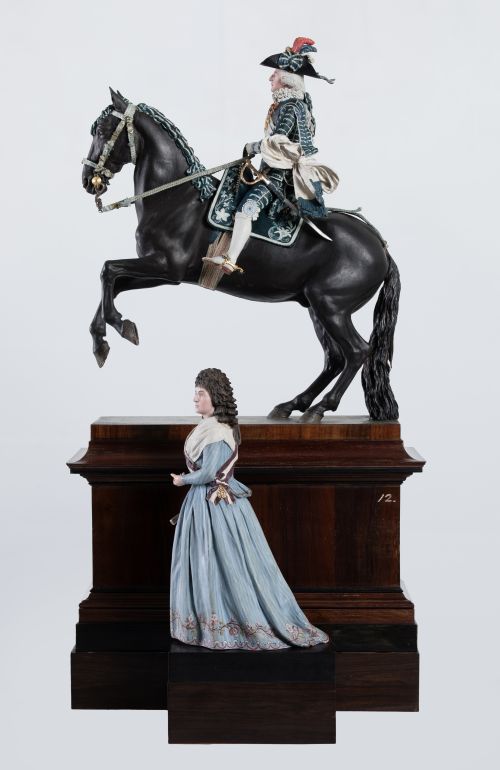
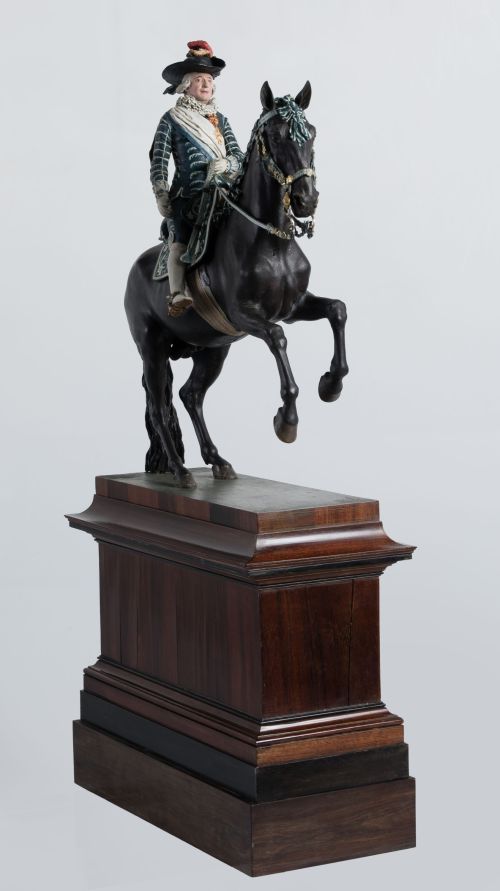
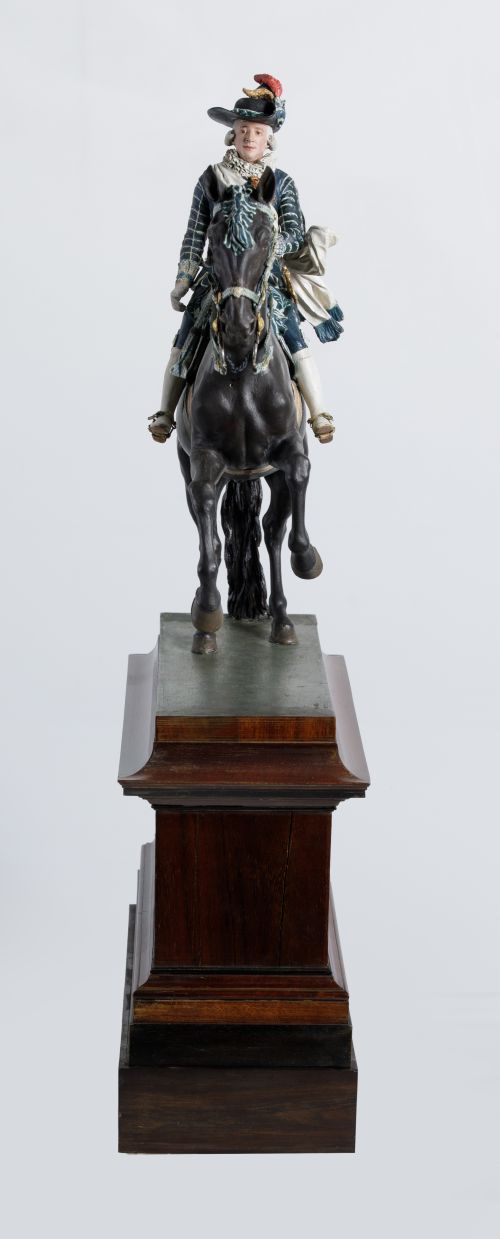
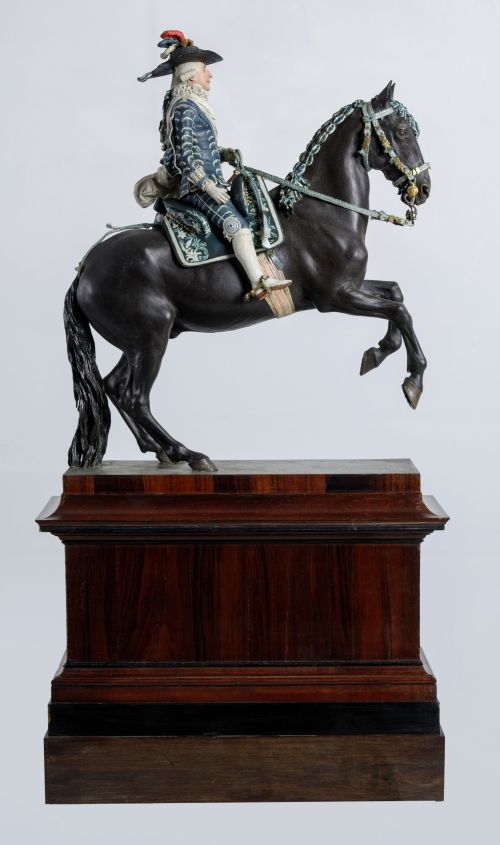
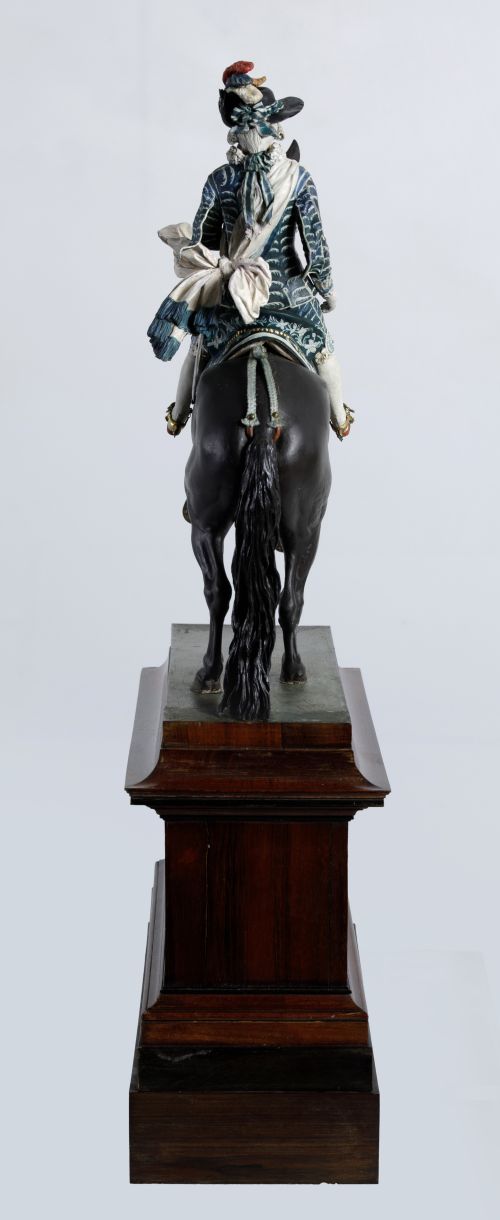
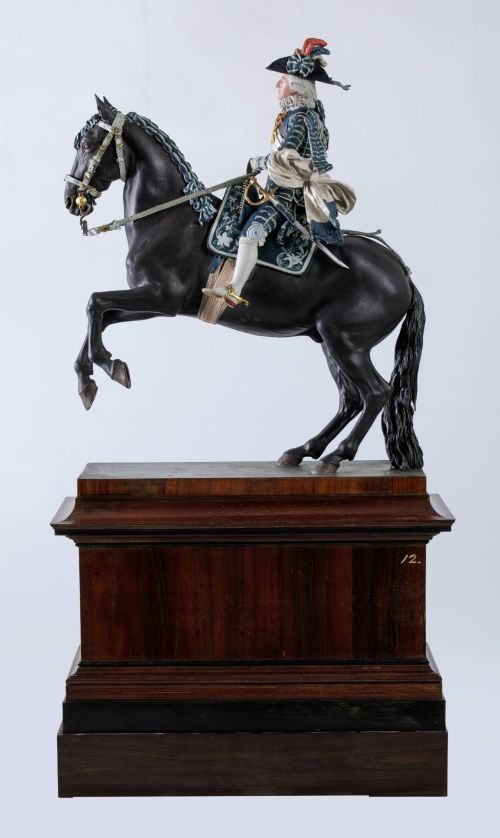
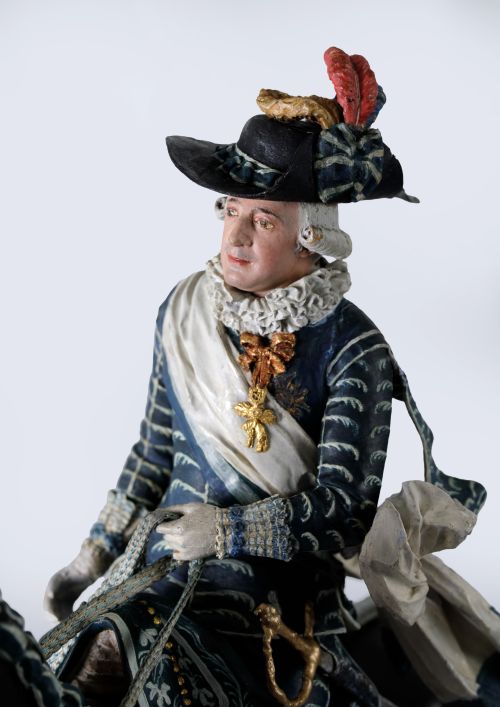
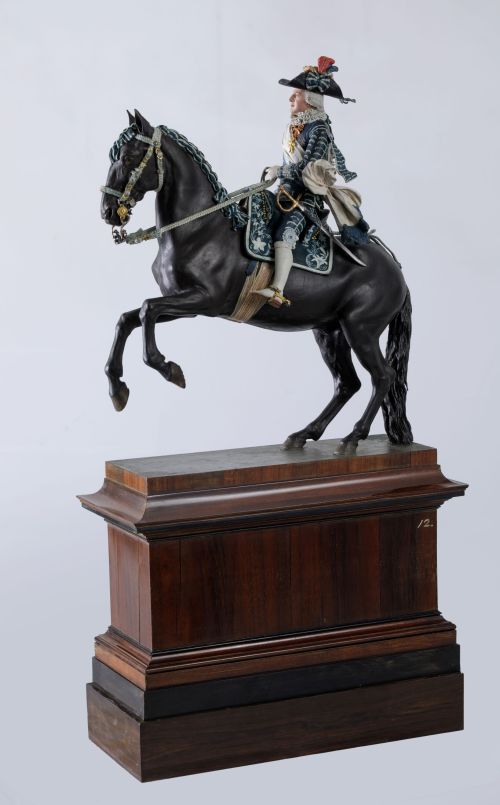
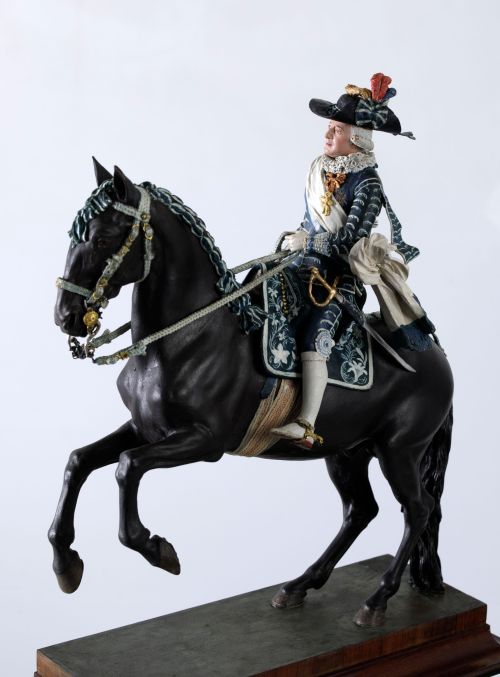
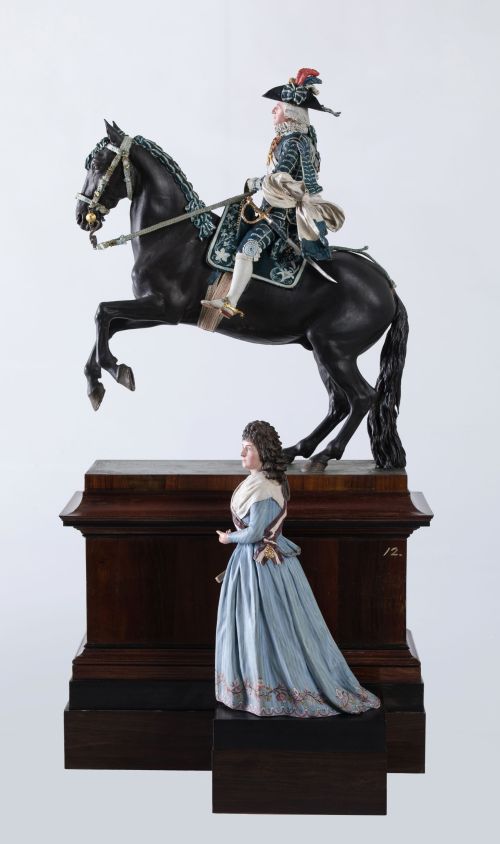
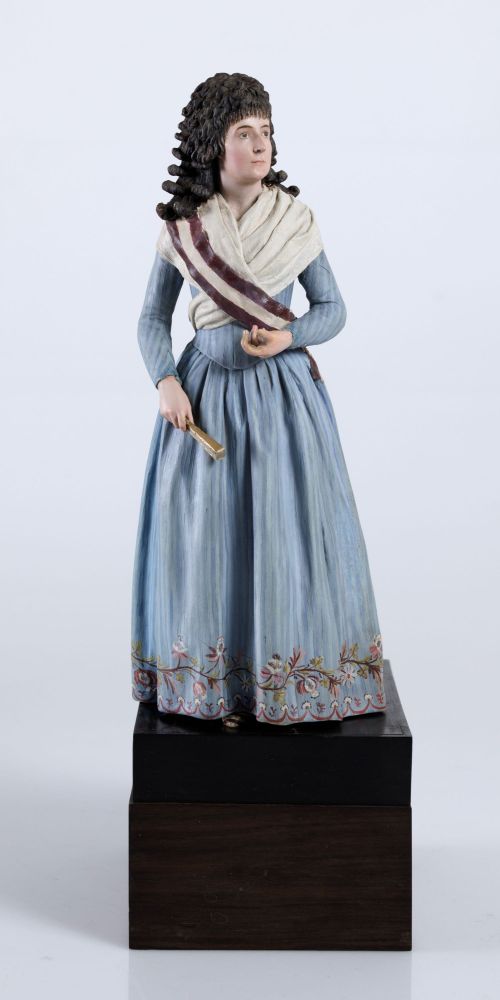
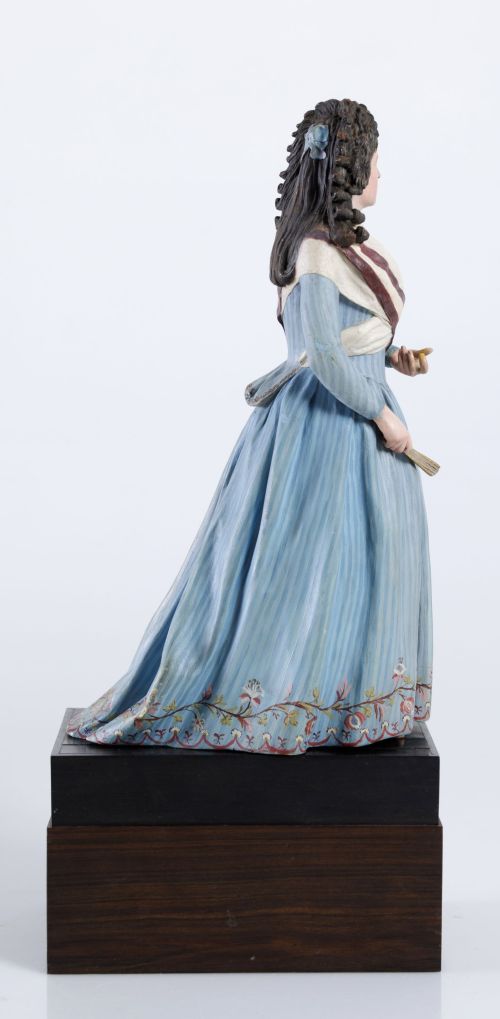
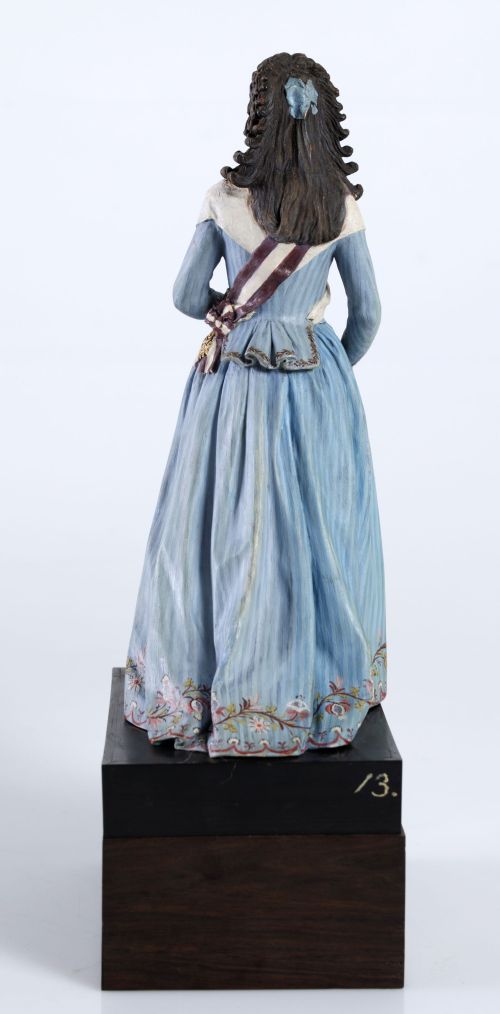
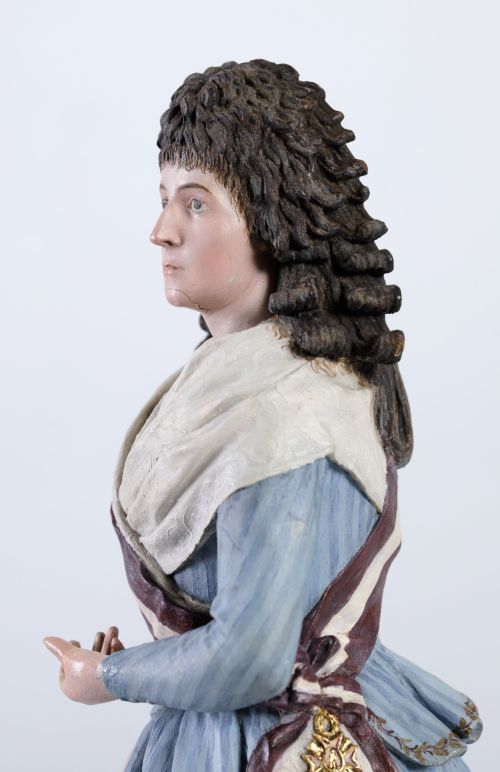
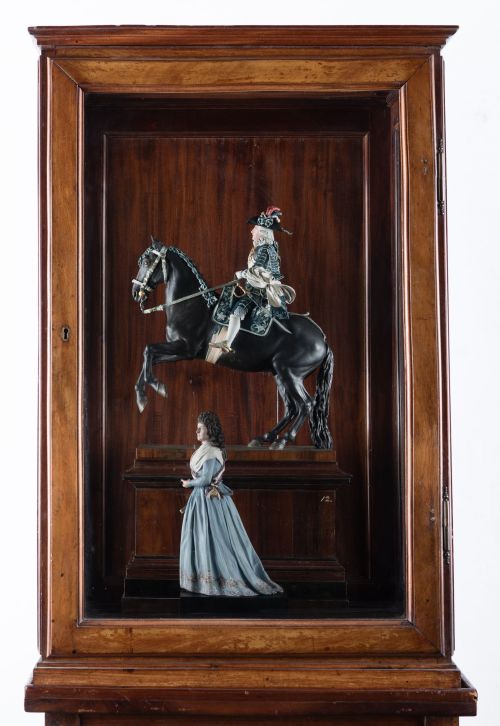
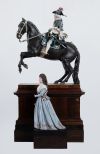
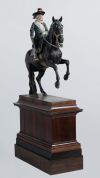
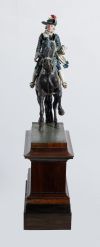
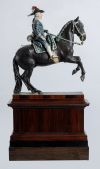
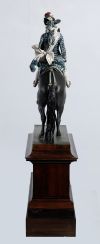
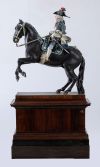
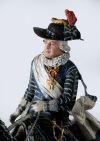
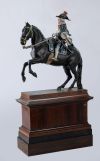
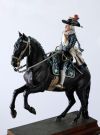
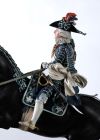
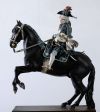
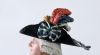
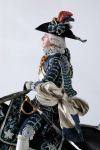
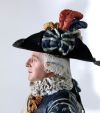
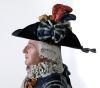
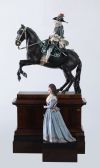
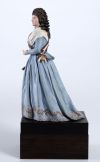
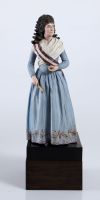
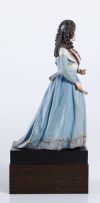
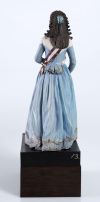
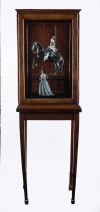
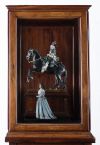
JUAN CHAEZ (Malaga, c. 1750 - Madrid, c. 1809) "Portrait of Vicente Joaquin Osorio de Moscoso and Maria Ignacia Alvarez de Toledo, Marquises of Astorga", 1795
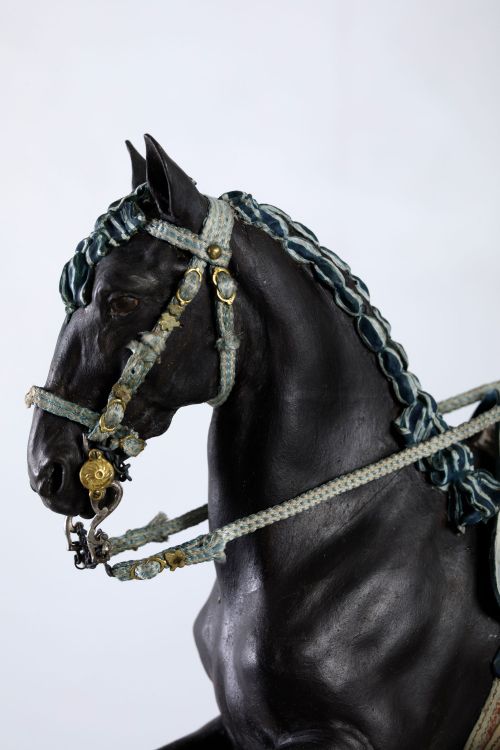
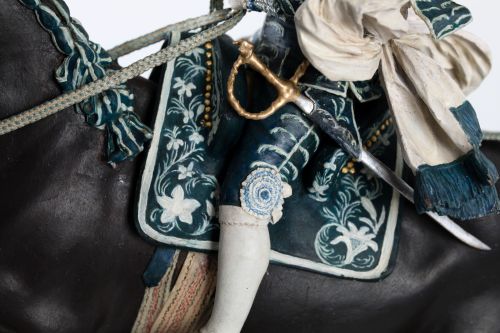
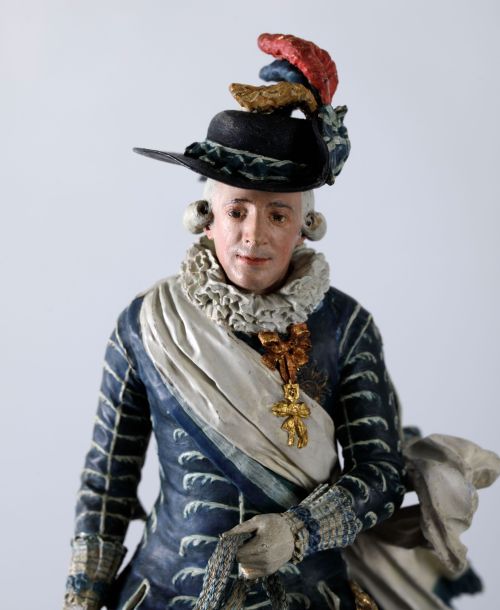
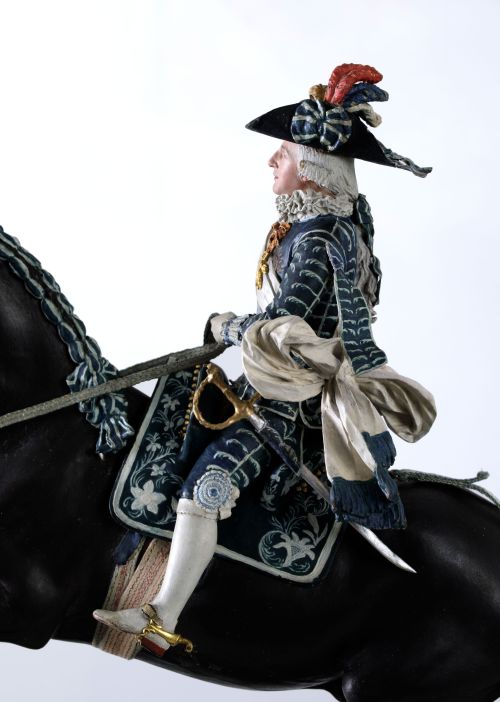
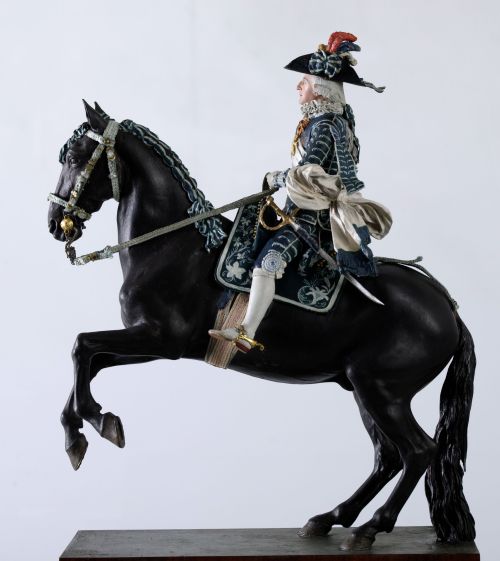
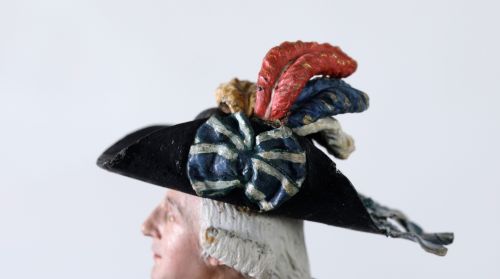
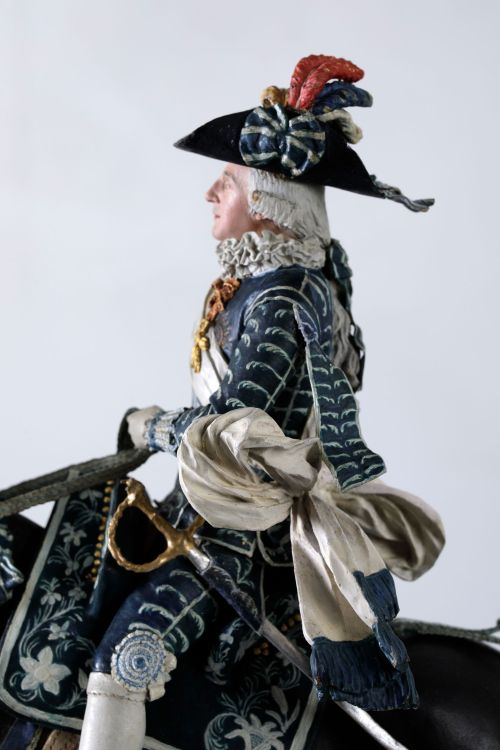
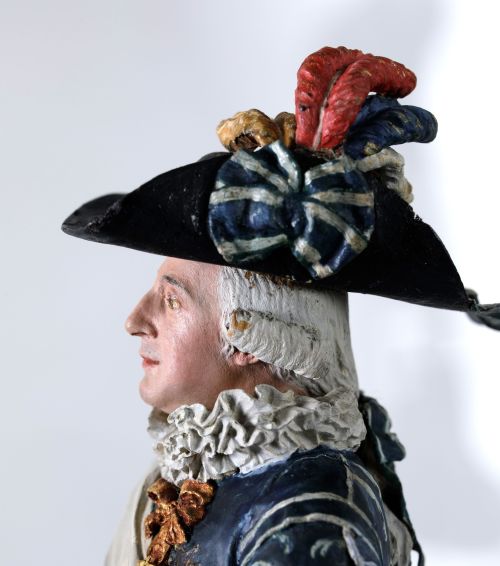
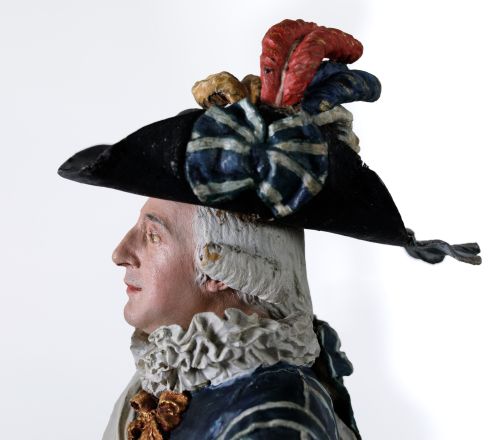
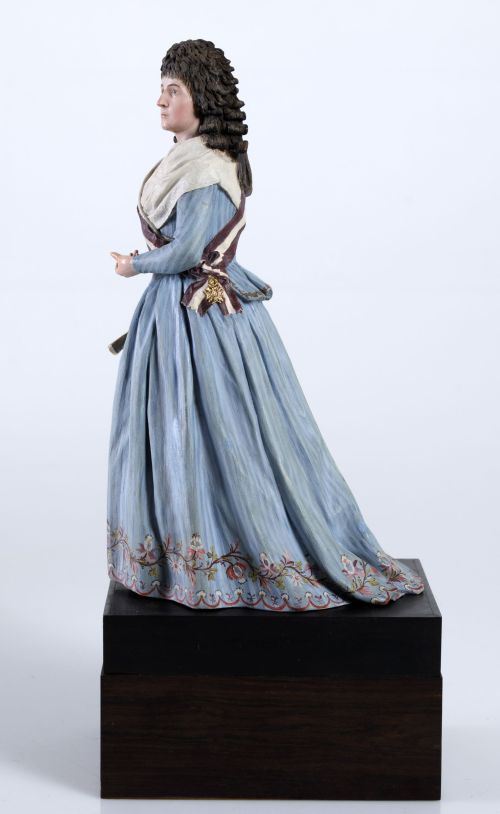
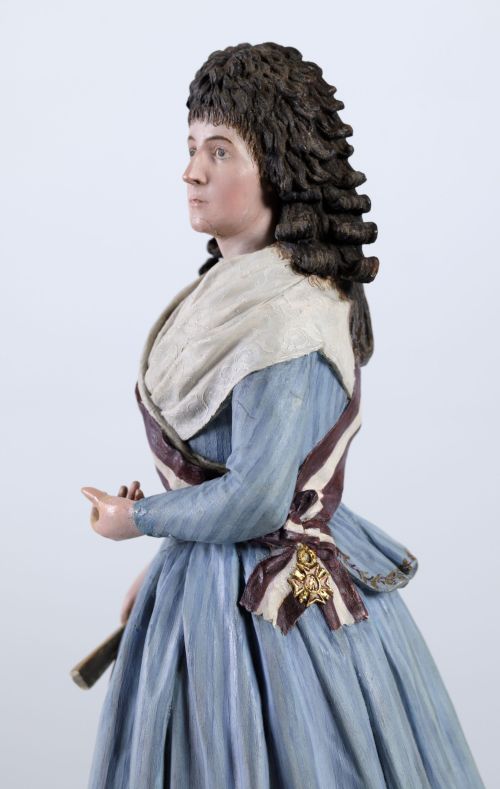
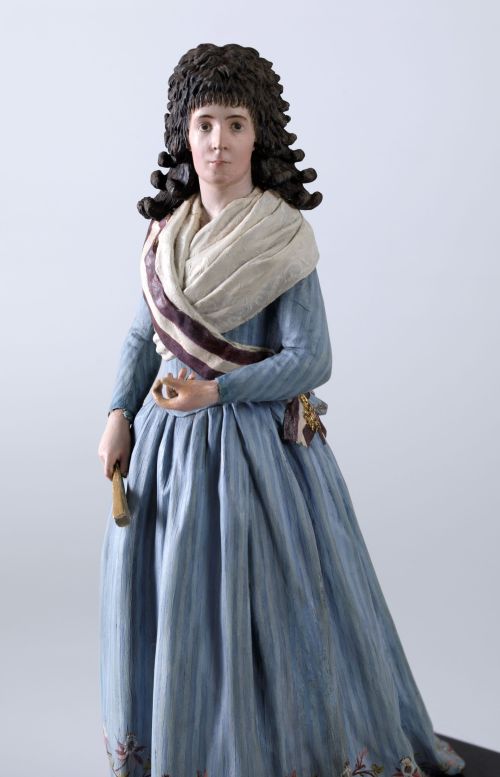
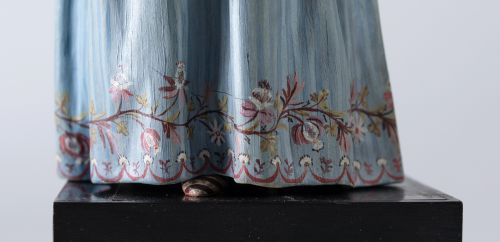
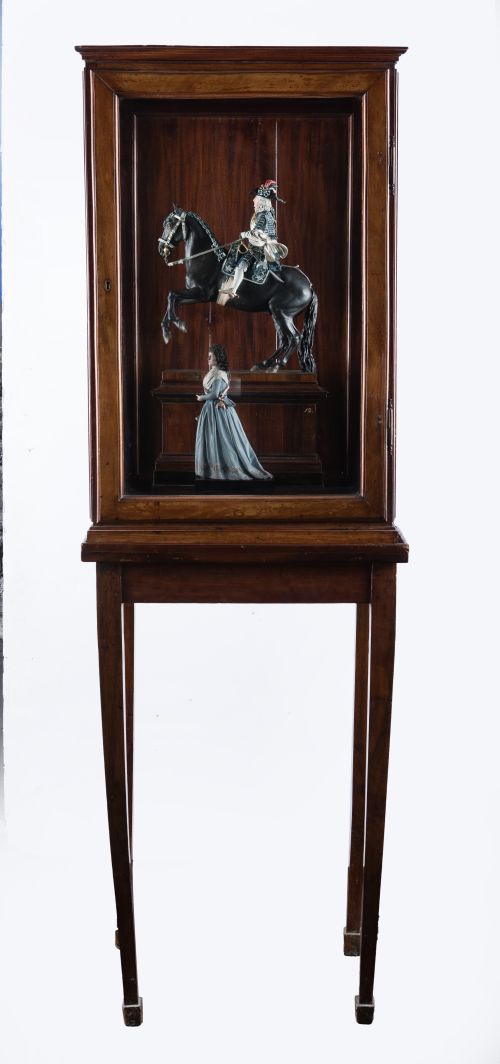
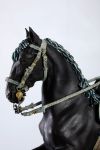
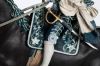
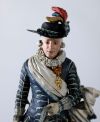
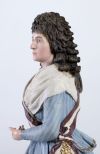
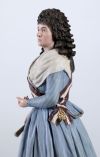
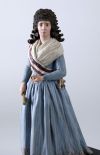
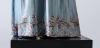
Two figures in wood and polychrome plaster. Textile applications and occasional gold decorations. They are presented with a wooden pedestal and base, in their original mahogany display case. Measurements with pedestal and base: 53 cm. (gentleman) and 28 cm. (lady). Measurements of the figures: 30 cm. (gentleman) and 20 cm. (lady). Measurements of the display case: 76 x 32 x 48.5 cm. Measurements of the base: 83 x 34.5 x 51 cm. English: Provenance: Collection of Vicente Joaquin Osorio de Moscoso y Guzman, Marquis of Astorga. Bibliography: Urrea Fernandez, J., “News of Juan Chaez, bullfighting sculptor”, in Visual Image of Bullfighting, Royal Sevillian Academy of Fine Letters, Seville, 2025, p. 85. Reference bibliography: Urrea Fernandez, J., “A proposal for the sculptor Juan Chaez” in Ars Magazine, 3, no. 6, April-June, pp. 94-103. This exceptional sculpture, one of a kind, represents one of the most powerful and influential aristocrats during the reigns of Charles III and Charles IV: Vicente Joaquin Osorio de Moscoso y Guzman (Madrid, 1756-1816). His great fortune was comparable to his positions, honors and distinctions: Knight of the Golden Fleece, Grand Cross of the Order of Charles III, member of the Council of Castile, Gentleman of the King's Chamber, National Equerry of San Carlos, Chief Ensign of Castile and the City of Madrid, director of the Bank of Saint Charles, member of the Royal Academy of Fine Arts of San Fernando, doctor of the University of Granada, etc. Although he most frequently used the title of Marquis of Astorga, he held as many as twelve Grandees of Spain that included, among other titles, that of Count of Altamira, the duchies of Sessa, Baena, Atrisco Maqueda, Sanlucar la Mayor and Medina de las Torres, the marquisates of Leganes, Velada, Poza, Almazan, Ayamonte and Morata. He is depicted riding a horse in the "levade" position, with its front legs raised, and on its rump can be seen the mark of the Marquisate of Astorga with the letters "AS" on a shield topped by a crown. Over his blue uniform with white embroidery, matching the decoration on his saddle, he wears some of his most important distinctions, such as the collar of the Order of the Golden Fleece. Next to him is his second wife: Maria Ignacia Alvarez de Toledo y Gonzaga Caracciolo, 10th Marchioness of Villafranca del Bierzo (Madrid, 1757-1795), daughter of the Marquises of Villafranca del Bierzo and Dukes of Fernandina and Medina Sidonia. The subject is wearing a sky-blue silk dress with a filigree decoration of flowers embroidered at the hem. She is wearing a white handkerchief or embroidered shawl, very fashionable in late 18th-century Spain and used to cover the neckline. She wears the sash and insignia of the Order of Maria Luisa, which she received on June 28, 1795. Her death, on September 8, 1795,allows us to date the execution of this piece to that year, also coinciding with the type of hairstyle he wears, typical of the 1790s. The delicate execution of the figures was carried out by the sculptor Juan Chaez (Malaga, c. 1750 - Madrid, c. 1809). It was the specialist Jesus Urrea who, in our opinion, very correctly linked this author with the group of 27 bulls and bullfighters preserved in the National Museum of Sculpture and the work presented here. He assigned the latter to his production thanks to his knowledge of some old photographs preserved in the Photographic Archive of the Institute of Cultural Heritage of Spain (Moreno Archive No. 06198_B). Initially trained in Malaga, the city where small clay figures began to become popular, Juan Chaez executed a type of work notable for its perfect modeling and extraordinary skill in the execution of textural qualities and mastery of materials. The precision and attention to detail of his work earned him a commission from the Royal College of Surgery of San Carlos in Madrid to create several wax figures depicting various stages of pregnancy. Chaez was a friend of the painter Francisco de Goya and, as Jesus Urrea noted, "he was a participant in the Goya universe in his subject matter, his aesthetic concept, his dealings, and even his clientele." This sculpture of the Marquises of Astorga is proof of this, as it resembles a kind of three-dimensional Goya painting. The commission for these figures to the sculptor undoubtedly came from the Aragonese painter himself, who painted the canvas portraits of Vicente Joaquin Osorio de Moscoso, dated 1787 and now in the collection of the Bank of Spain, and Maria Ignacia Alvarez de Toledo, in the Metropolitan Museum of Art in New York. The patronage of this powerful family greatly boosted Goya's career, as shortly after completing this work he was appointed court painter to Charles IV. Chaez, for his part, also worked for other great families of the Spanish aristocracy, perhaps also recommended by the Aragonese painter, such as the Osuna-Benavente family.Juan Chaez executed a type of work notable for its perfect modeling and extraordinary skill in the execution of textural qualities and mastery of materials. The precision and attention to detail of his work earned him a commission from the Royal College of Surgery of Saint Charles in Madrid to create several wax figures depicting various stages of pregnancy. Chaez was a friend of the painter Francisco de Goya and, as Jesus Urrea noted, "he was a participant in the Goya universe in his subject matter, his aesthetic concept, his dealings, and even his clientele." This sculpture of the Marquises of Astorga is proof of this, as it resembles a kind of three-dimensional Goya painting. The commission for these figures to the sculptor undoubtedly came from the Aragonese painter himself, who painted the canvas portraits of Vicente Joaquin Osorio de Moscoso, dated 1787 and now in the collection of the Bank of Spain, and Maria Ignacia Alvarez de Toledo, in the Metropolitan Museum of Art in New York. The patronage of this powerful family greatly boosted Goya's career, as shortly after completing this work he was appointed court painter to Charles IV. Chaez, for his part, also worked for other great families of the Spanish aristocracy, perhaps also recommended by the Aragonese painter, such as the Osuna-Benavente family.Juan Chaez executed a type of work notable for its perfect modeling and extraordinary skill in the execution of textural qualities and mastery of materials. The precision and attention to detail of his work earned him a commission from the Royal College of Surgery of San Carlos in Madrid to create several wax figures depicting various stages of pregnancy. Chaez was a friend of the painter Francisco de Goya and, as Jesus Urrea noted, "he was a participant in the Goya universe in his subject matter, his aesthetic concept, his dealings, and even his clientele." This sculpture of the Marquises of Astorga is proof of this, as it resembles a kind of three-dimensional Goya painting. The commission for these figures to the sculptor undoubtedly came from the Aragonese painter himself, who painted the canvas portraits of Vicente Joaquin Osorio de Moscoso, dated 1787 and now in the collection of the Bank of Spain, and Maria Ignacia Alvarez de Toledo, in the Metropolitan Museum of Art in New York. The patronage of this powerful family greatly boosted Goya's career, as shortly after completing this work he was appointed court painter to Charles IV. Chaez, for his part, also worked for other great families of the Spanish aristocracy, perhaps also recommended by the Aragonese painter, such as the Osuna-Benavente family.
Starting price 46.000 €
Recomended lots
Confirm
You are bidding €
At the time of auction we will contact you by phone:
You accept the conditions of the room by confirming your bid
Loading…
Conecting with the server
Are you sure you want to buy the lot?